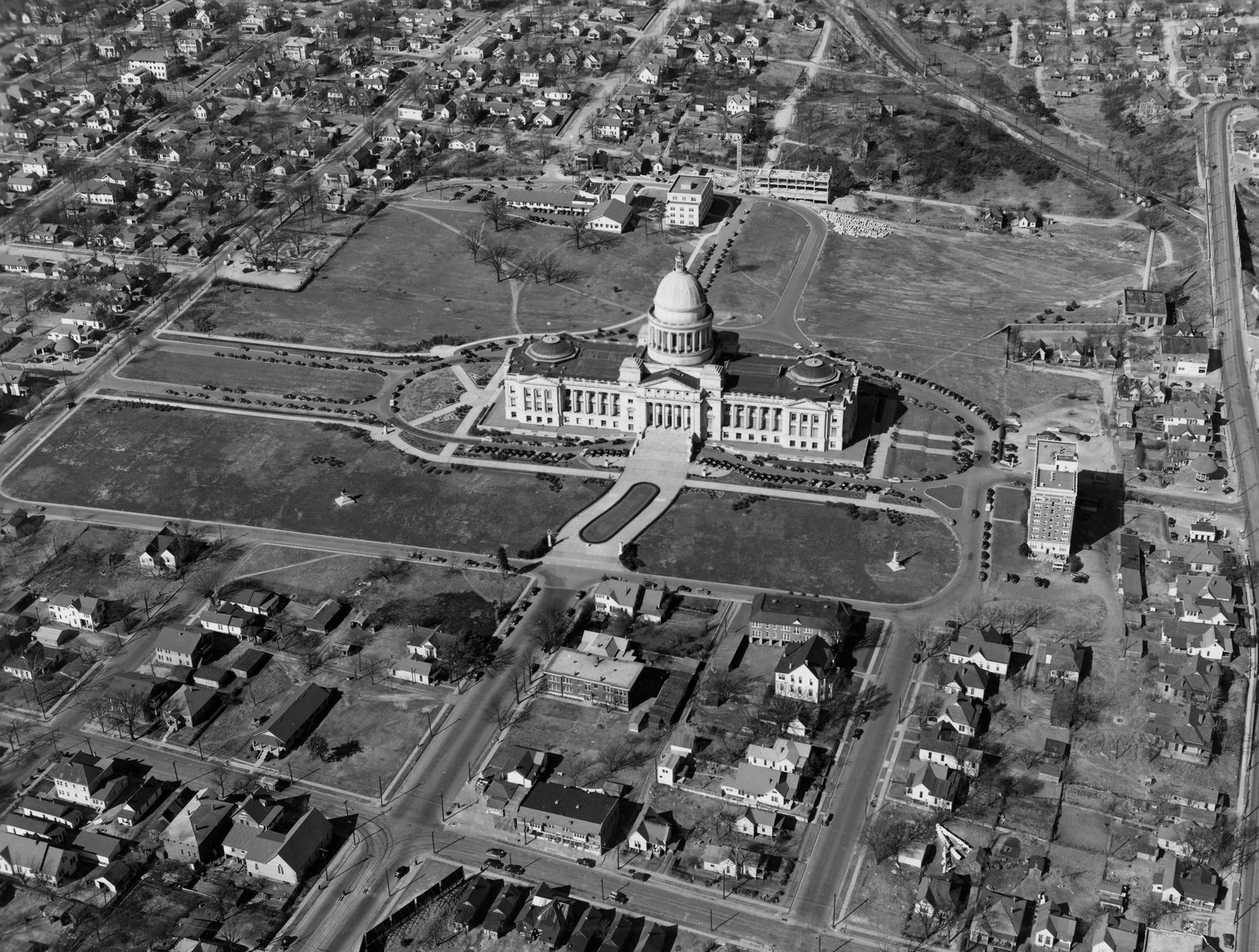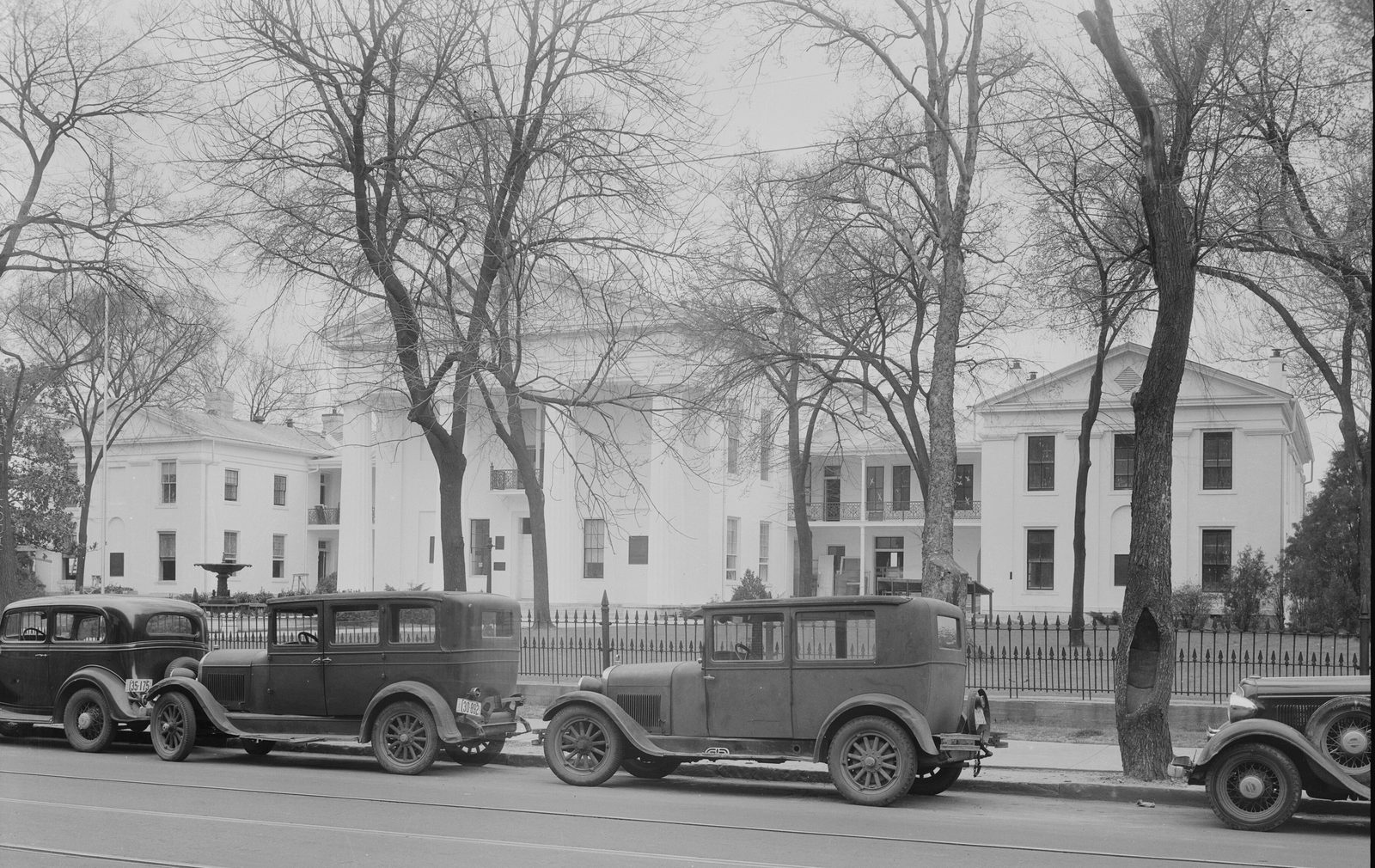
What is Old State House Museum?
Old State House Museum is Arkansas's original state capitol building, now a museum with public exhibits and events. Distinguish it from the current Arkansas State Capitol when planning a visit, because the names refer to different destinations and different stages of state history.
The building is the oldest standing state capitol west of the Mississippi River. After state government moved out, legislators threatened to sell it. Space was given to the University of Arkansas Medical Department as part of the effort to forestall a sale, giving the building a history of reuse as well as government.
What should visitors understand about its setting?
The museum's public exhibits and events give guests a reason to check the intended visit rather than rely on the building's historic role alone. Choose between an exhibit and a program deliberately. A visitor interested in the building may want a different schedule from someone coming for a particular event.
A household comparing history outings can consider the current Capitol or Historic Arkansas Museum for a different focus. Keep the Old State House name clear in directions, and let guests decide how much of their visit to devote to it. Do not turn a local suggestion into a timed promise that depends on an unconfirmed exhibit or event.
Which dates and details help explain the visit?
- Construction began: 1833.
- State government moved: 1912.
- Old State House reopened: Valentine's Day, 1951.
- National Register listing: 1969.
- National Historic Landmark designation: 1997.
- Restored museum reopened: June 1999.
What should guests arrange before visiting?
Ask the museum which exhibits and events are available during the planned visit and what access arrangements apply. The historic-building setting should prompt concrete questions about entrances and the route a guest expects to use. A home owner should describe the accommodation's own features separately from the museum's visitor arrangements.
Confirm the visit before building the day around it. Ask the venue about the entrance to use, the parking or drop-off arrangement, and any reservation or equipment requirements for the intended activity. Keep the guest's own needs at the center of that conversation, without assuming that another visitor's experience will apply.
Where can guests connect the visit with a stay?
Consider the actual home in River Market District when planning the visit, then check the route from that address. A place name is not a checked travel time. Explain the home's entrance and parking first, and keep destination directions distinct from the final approach to the rental.
Other area options include Arkansas State Capitol and Historic Arkansas Museum. Let the guest choose according to interests and the time available rather than presenting a fixed combined itinerary. The places directory can help a visitor distinguish the setting of the home from destinations elsewhere in the area.
How can a host support an educational visit?
Give guests a comfortable place to read, sit, and put away their belongings after an outing. Choose useful lighting and furniture before themed decoration. A guest interested in local history may appreciate a clear table or a quiet bedroom, but the owner should ask what accommodation information matters instead of assuming a particular routine.
Describe the home accurately, including shared spaces and any areas that remain private. If the guest asks about accessibility, explain the actual entrance, steps, and bathroom layout so the household can decide. Museum access and home access are separate matters; a suitable public entrance cannot establish that a rental works for the same visitor.
How should arrival and turnover be arranged?
Keep the home's agreed arrival arrangement independent of an outing schedule. Confirm readiness before promising access to the rental. A visitor may hope to drop off bags before going out, but the owner needs to know that cleaning and any required work can be completed before making that offer.
Give the cleaner a room-by-room handoff and a way to report damage or missing supplies. Check the entry method, sleeping spaces, bathroom supplies, and surfaces a guest will use. If an issue needs repair, assign someone to arrange it and explain any effect on arrival. Preparation should leave the guest with clear instructions rather than a last-minute negotiation at the door.
What mistakes should owners avoid?
Avoid turning a museum-related stay into a promise the property cannot meet. Keep the accommodation offer specific and manageable. An owner can prepare a welcoming home without claiming privileged venue access, guaranteed programs, or approval from an institution.
- Promising a tour before the visitor has arranged it can disrupt the guest's plans.
- Describing the home as accessible without concrete features leaves the guest unable to assess it.
- Filling the arrival message with attractions can hide essential entry and parking details.
- Allowing sightseeing plans to shorten cleaning can leave the home unready.
Ask guests how they expect to arrive and provide a direct way to raise a household issue. Keep neighbor expectations clear, including how to return quietly and where vehicles belong. The owner's job is to care for the home and the promises made about it.
How can an owner settle a practical guest request?
If a guest describes a visit simply as the Capitol, confirm which building they mean before suggesting a route. The original capitol museum and the current government building are different destinations. Settle that question first, then let the guest check visitor arrangements while the host explains the home's own arrival process and agreed access time.
Record the agreement and share it with the person doing the work. If arrival, cleaning, or equipment arrangements change, update everyone affected before the guest relies on the change. A clear household decision is more useful than a flexible-sounding promise whose practical details remain unresolved.
What does the visit mean for rental owners?
For a Little Rock rental, the permit application requires parking and scaled floor plans, and annual inspection and business license payments are required before operation. Keep the approved property arrangement and guest instructions consistent. Use the River Market District owner information alongside the Little Rock permit requirements when preparing the home.
Use the cost planning questions to assign cleaning, maintenance, and guest support. An attraction can help explain why a guest might consider the area, but it does not settle the work needed to run a rental or establish a forecast of bookings.
Questions
What should guests check before a visit to Old State House Museum?
Check the intended activity, access arrangements, and any reservation with the venue before making a schedule. Ask about the needs of the actual visiting party rather than assuming every visitor uses the same route or entrance.
Does a nearby landmark change rental permission?
Rental permission depends on the home's municipality, address, and proposed use. Ask the responsible office about the rental arrangement separately from plans to visit an attraction.
What should a host explain about the home?
Explain entry, parking, sleeping spaces, household supplies, and how to report a problem. Describe actual access features so guests can assess the accommodation separately from the venue.